
harman-phoenix-200
📷 2025 photography
With the end of the year approaching, I tried to select my favourites from 2025, but I initially felt overwhelmed. All year, I have been asking myself: How do you choose the best pictures? What constitutes the ‘best’ pictures, both for myself and for other people? Are these pictures that you can present on your own, or do they need to be presented as a group? Would they make sense to other people, or would they only make sense when grouped together?
For me, this is closely linked to the question of what I want to depict or express here, and ultimately, how I can express something through visual media. Although I practised communicating through text at school and university, communicating through visual media such as photography is still a new experience for me. I am fascinated by how many artists manage to convey meaning through photography. Whether street scenes, portraits or landscape shots, they all tell stories and convey experiences, or sometimes simply capture situations. Thinking about ‘visual communication’ over the course of the year somehow prevented me from actually taking the step of publishing pictures.
In addition to aesthetic and philosophical considerations, technical challenges remain an essential aspect of photography. Despite the technical hurdles it presents, my photographic medium of choice remains analogue photography. I make mistakes with every roll of film, and I made many mistakes in 2025. These mistakes are also far more serious than they would be in digital photography. Images and scenes can be completely lost or severely damaged. This probably slows down my learning process, but at the same time, it motivates me much more than digital photography ever did. I remain mystified as to why mistakes motivate me so much in this context.
Overall, when I look back on this year, I am proud of my photographic work. Although I regret not sharing it more publicly earlier on, I now see the process of selecting and sharing as part of the journey.
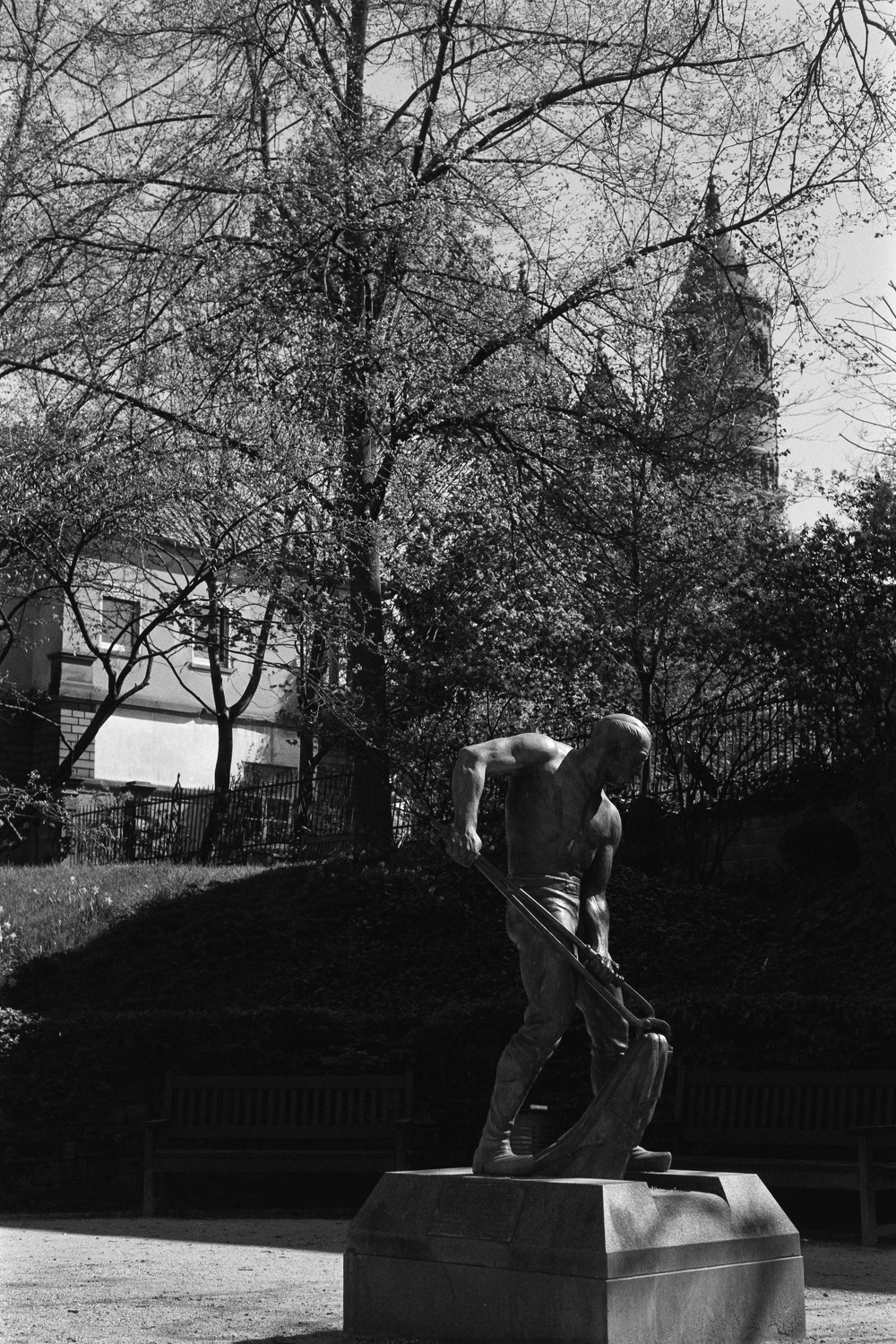
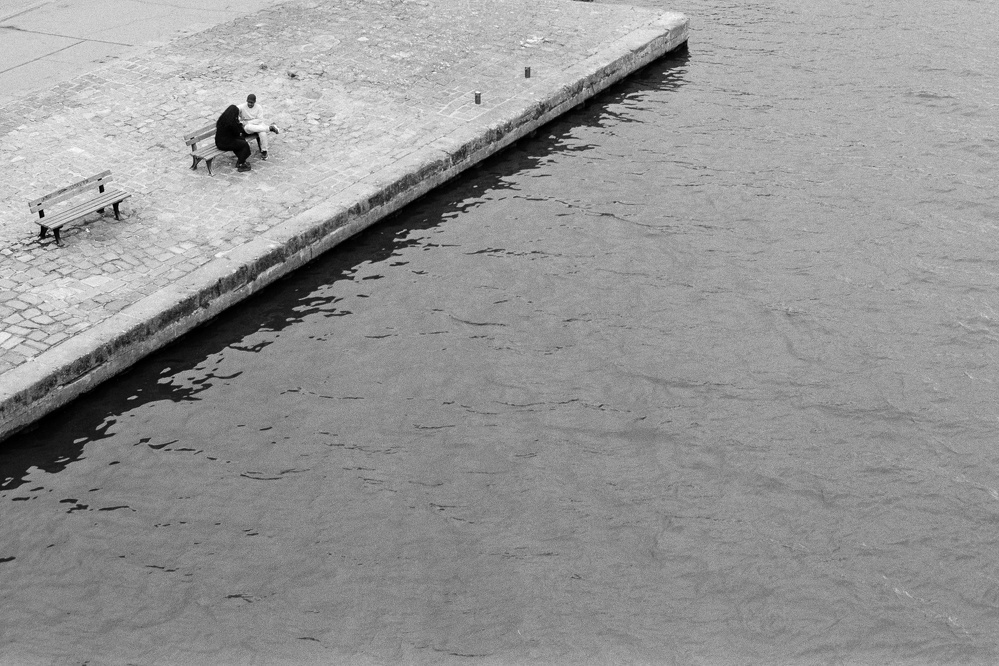
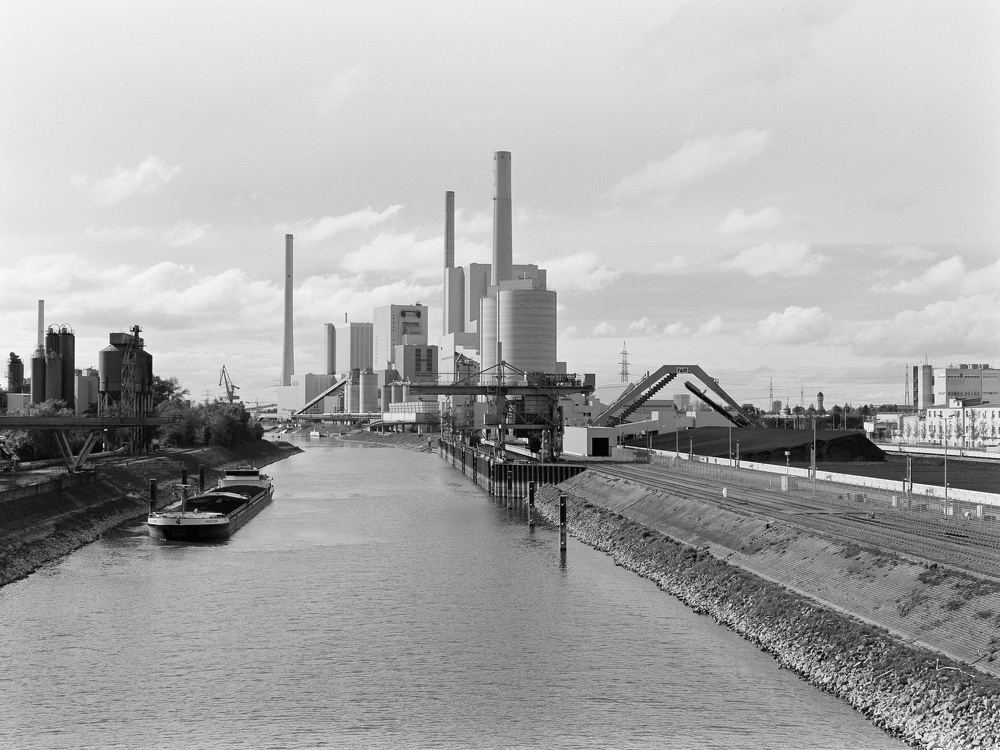
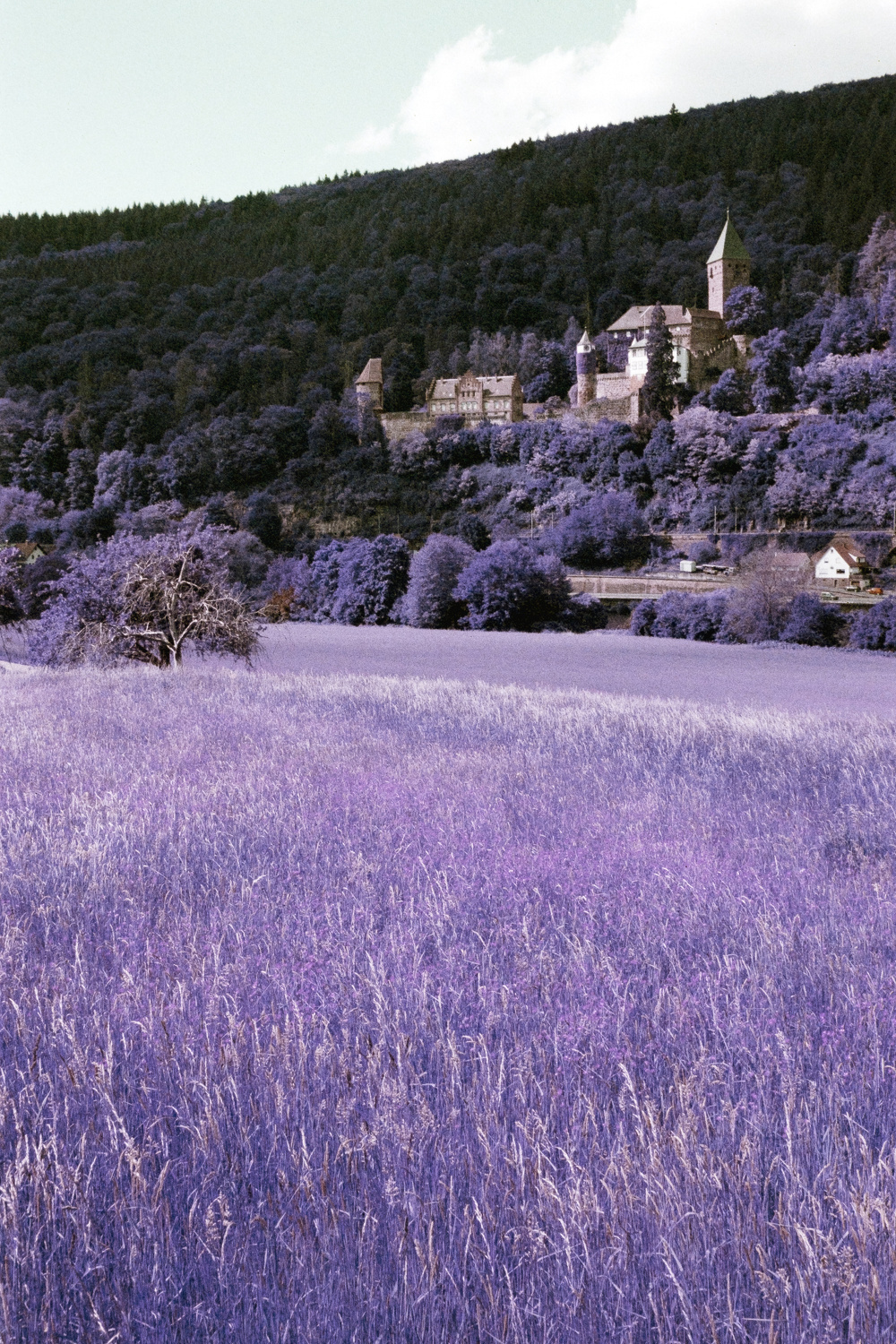
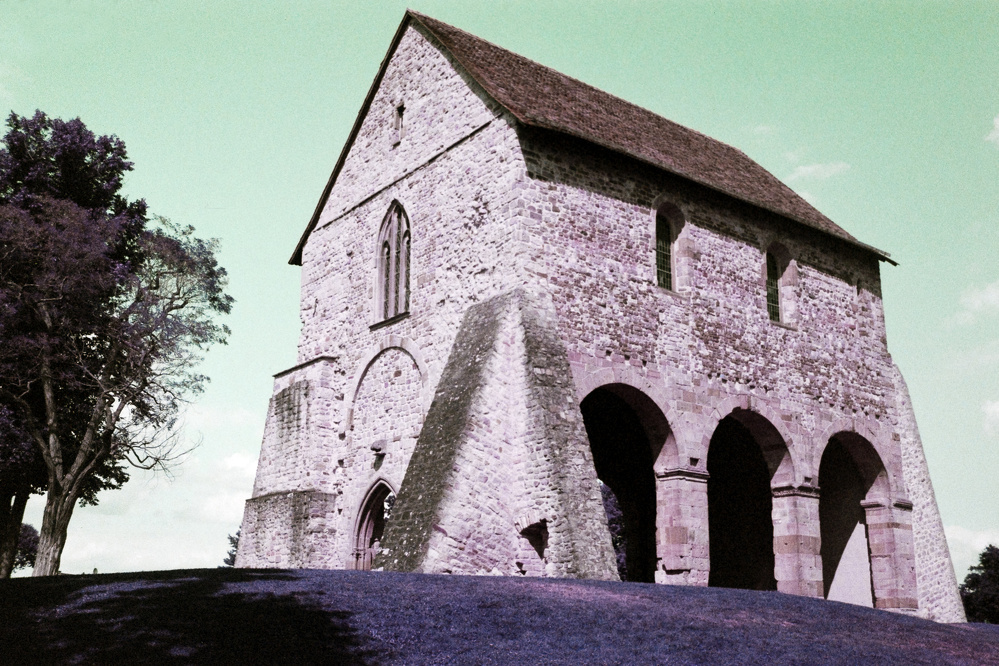
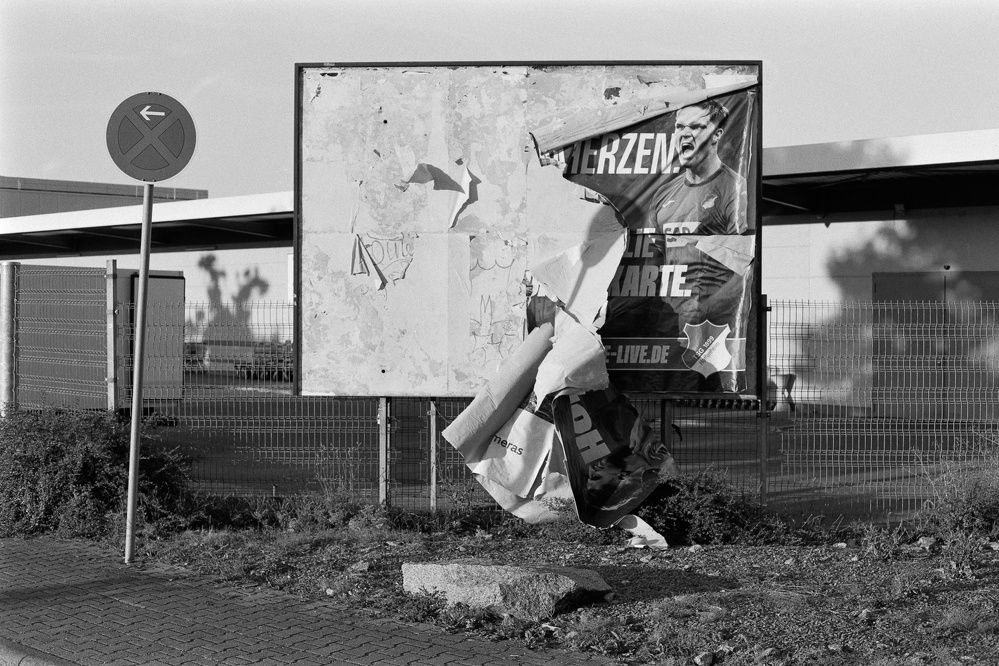
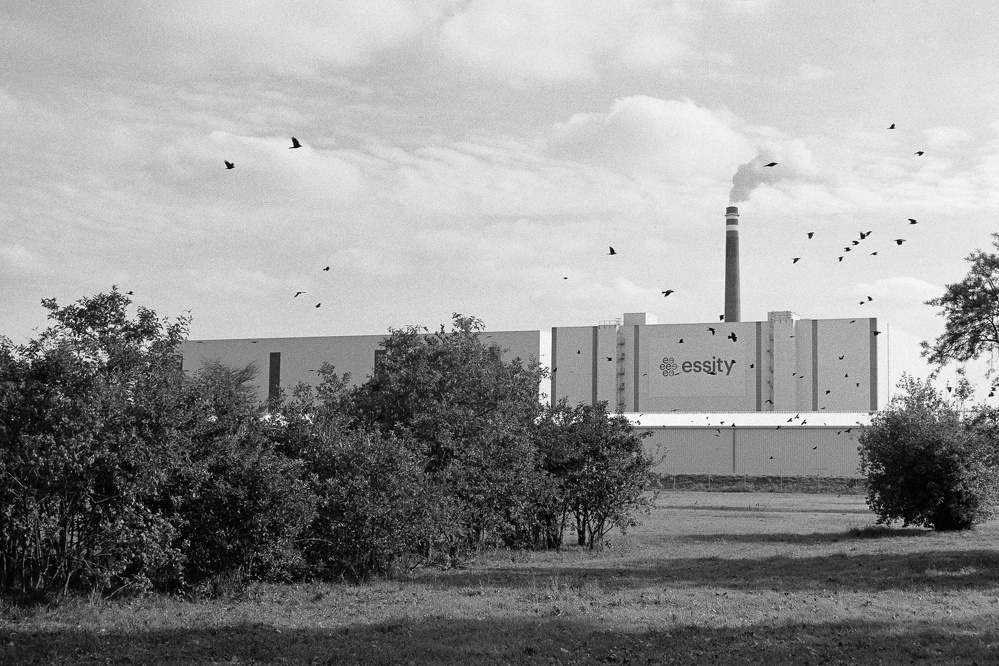
Below, I have selected twelve of my favourite pieces from this year. They are not organised by theme, but rather aim to reflect the overall range of my activities this year.


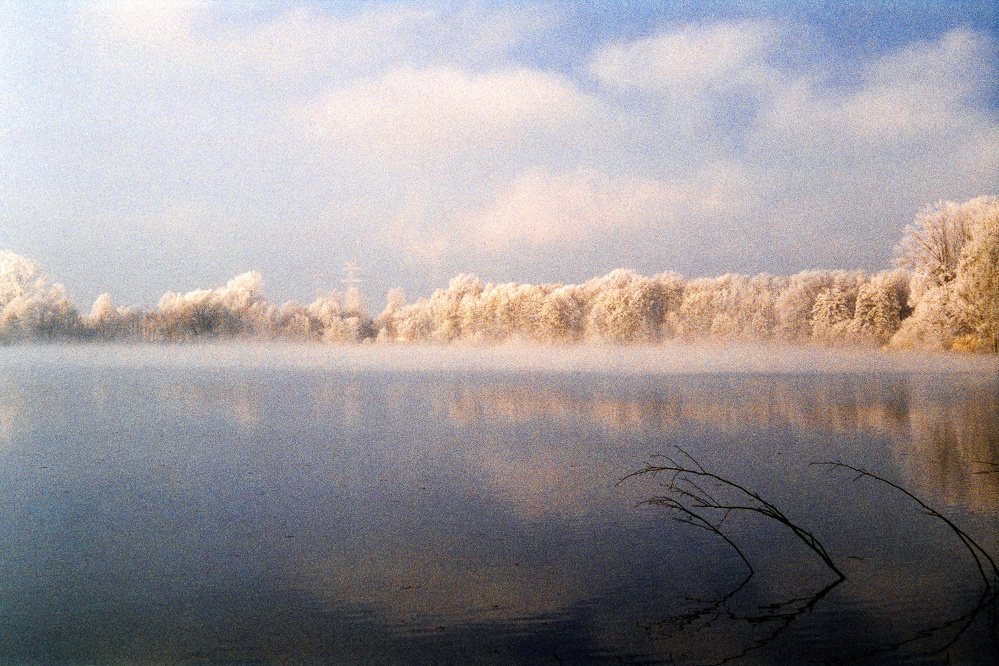
📷 First impressions: Harman Phoenix (I) in medium format
Okay, I’ll admit it straight away: I’m quite late to the game. However, I just tried Harman Phoenix (I) in medium format and it impressed me so much that I have to write about it. Since Harman recently released the second iteration of Phoenix, some retailers are offering Phoenix I at a reduced price. I ordered two rolls and shot one straight away.
Many people on the internets say that the film itself already has a high contrast. So I thought it would be a good idea to use a lens that produces low-contrast images with color film. In my case, that’s the Yashica Mat 124 G TLR. In addition, the weather in my region has been very rainy this summer, with many days of heavy cloud cover, so the dynamic range of natural light is also limited—an ideal environment for a high-contrast film with a low dynamic range.
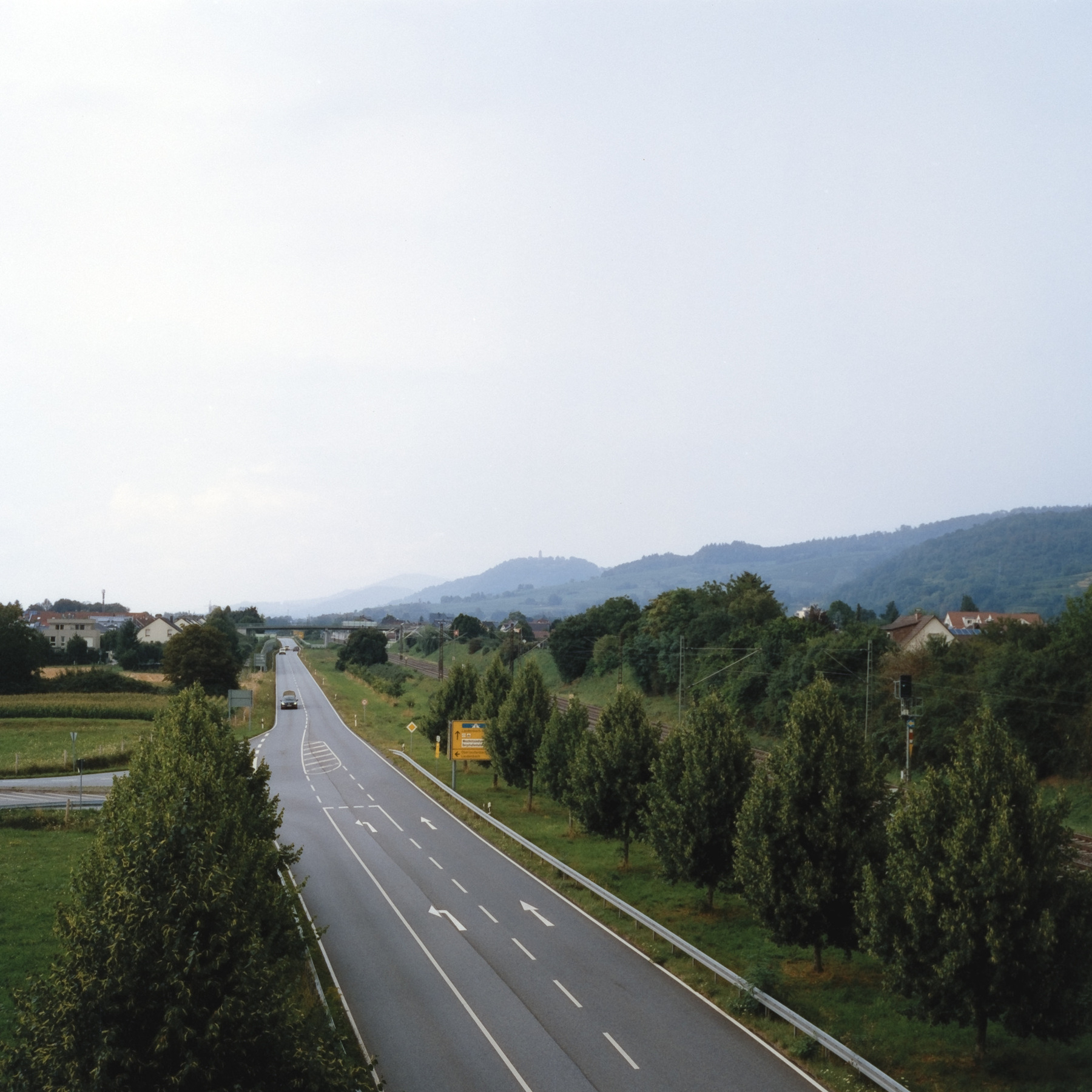
In fact, the dynamic range of the film is unimpressive. As you can see here, it is difficult to make out anything in the shadows, while the sky is already turning white in places. It was a bit foggy, which is what prompted me to take the shot in the first place, but I would have liked a little more dynamic range.
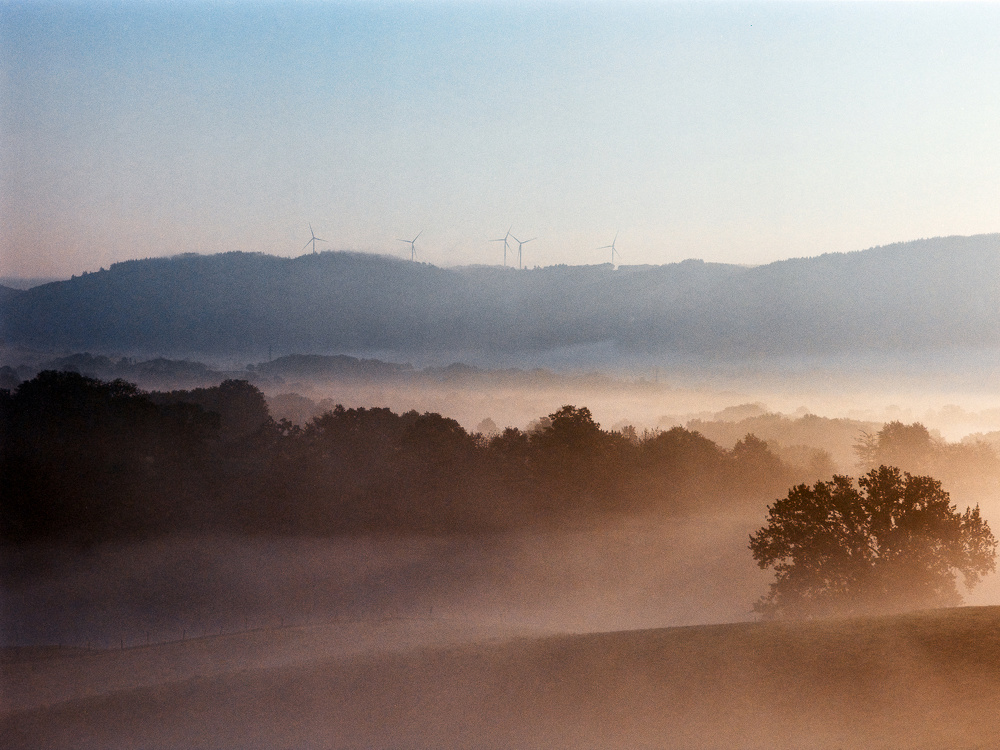
The film really doesn’t like underexposure. However, in my opinion, it produces very beautiful green and brown tones. As you can see on this other foggy day.
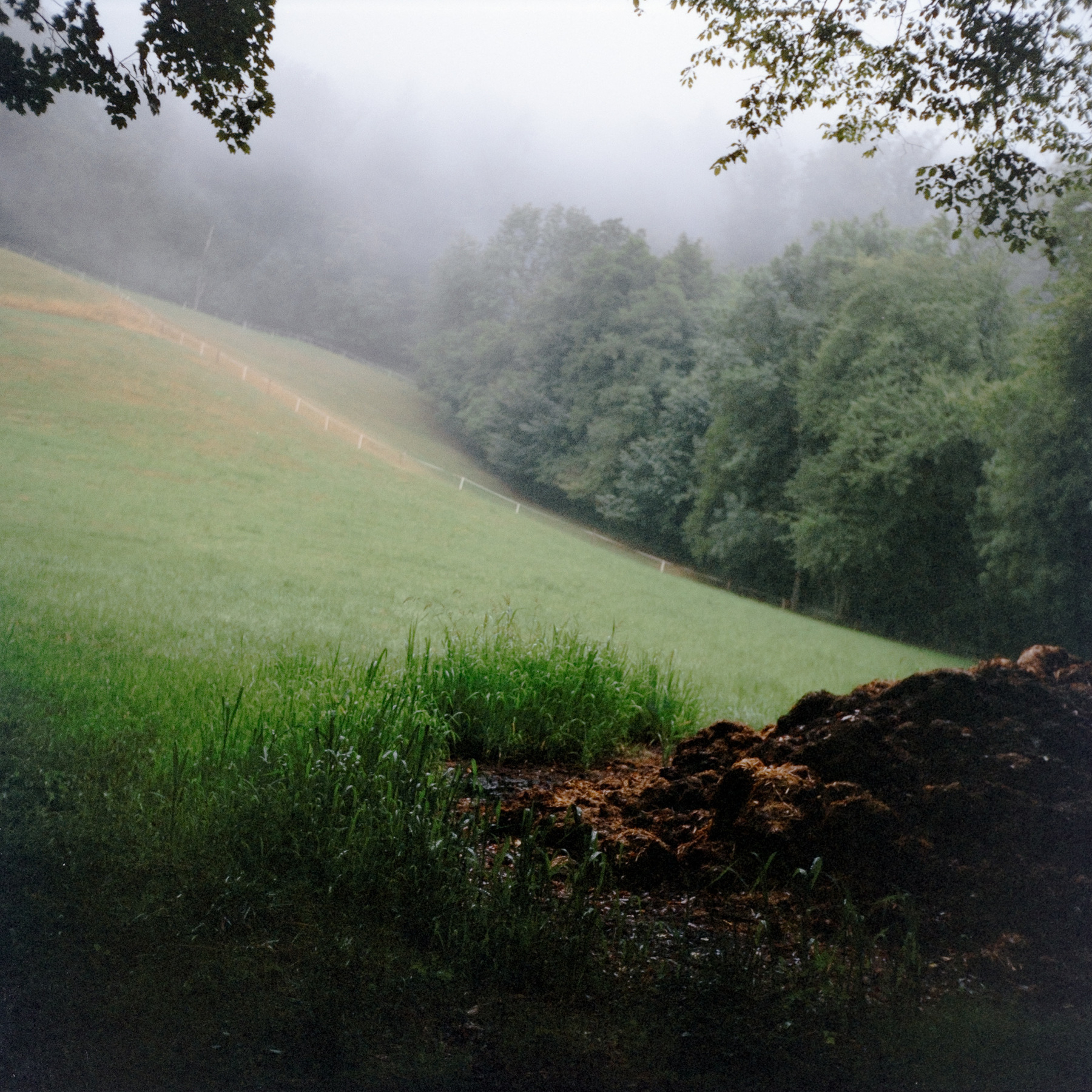
The colours and strong contrasts allow you to obtain very vivid colours even in hazy weather, without them looking too washed out. I have had poor experiences with Kodak films in these conditions and prefer black-and-white film in such situations. Phoenix seems to handle this well, though, due to its strong inherent contrast.
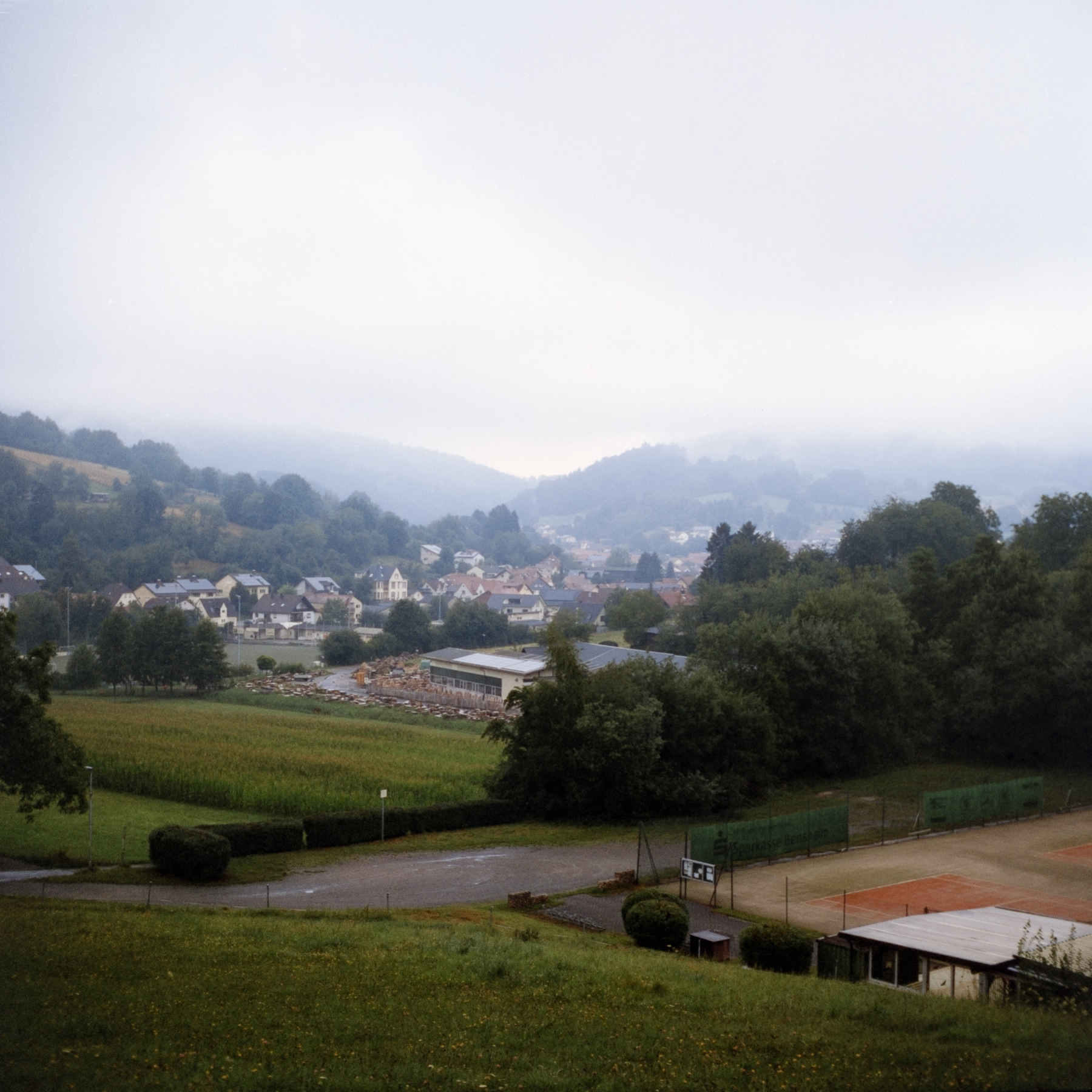
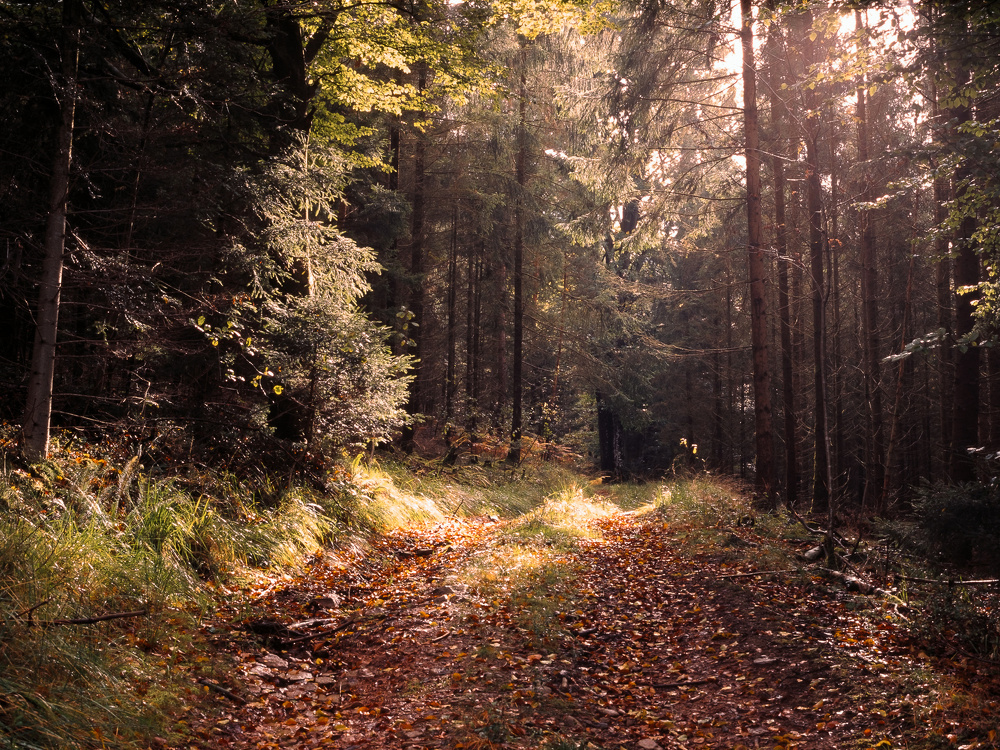
It is precisely these contrasts, combined with the rich green and brown tones, that can make simple forest scenes in rather modest light appear surprisingly rich and colourful.
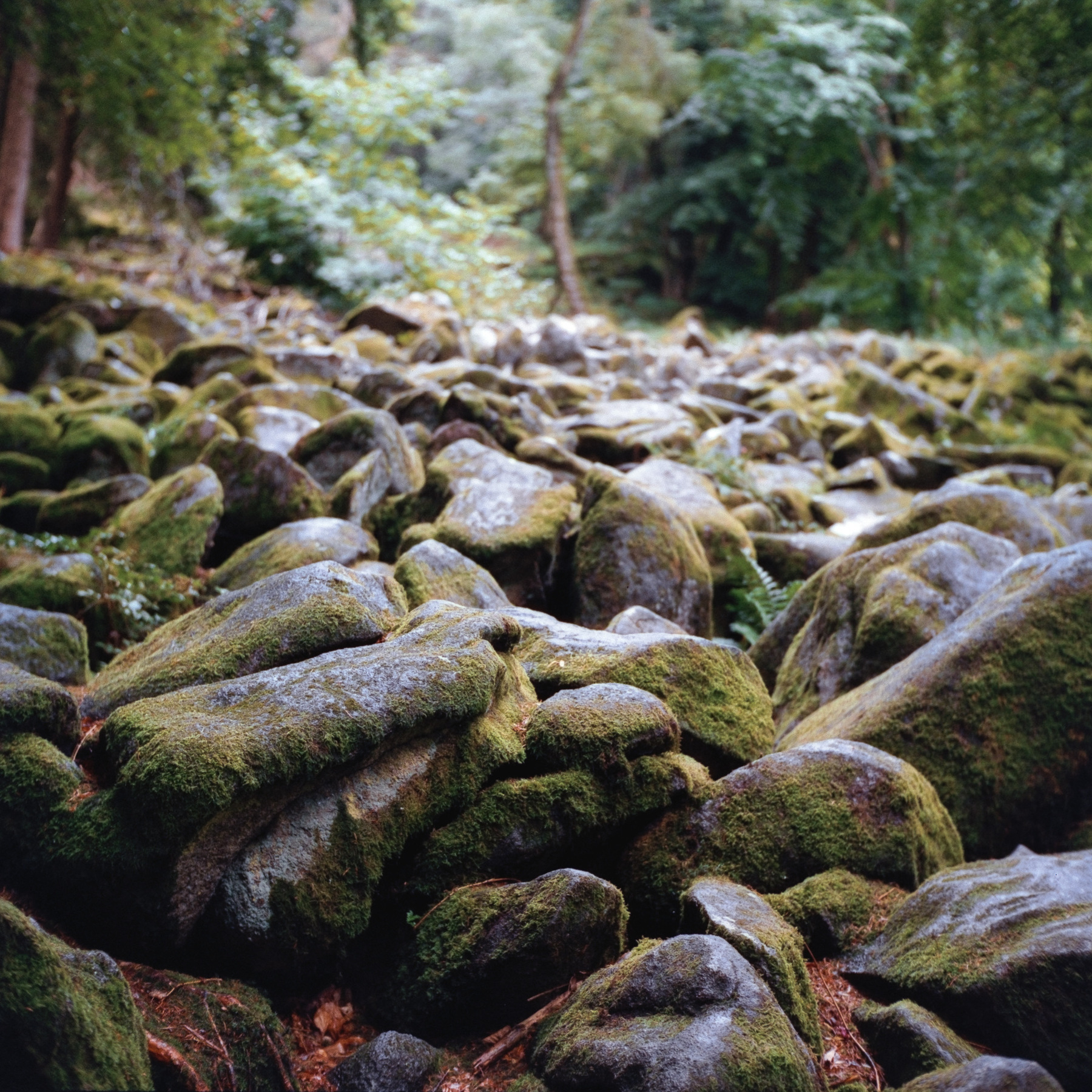
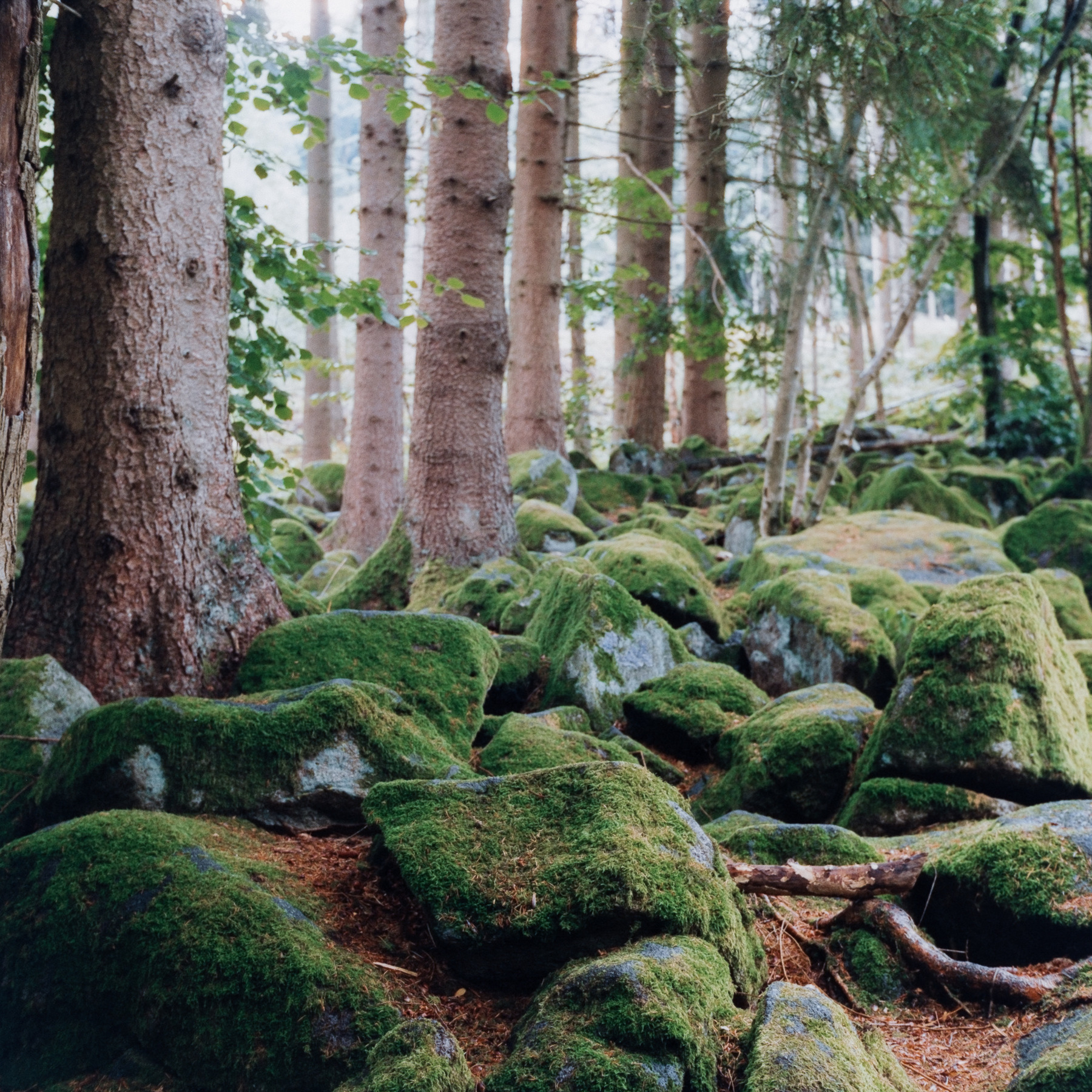
Of course, these very characteristics can be problematic in other situations. The range within which the film can be used effectively is therefore limited. It is undoubtedly not as flexible as Kodak Portra, the film world’s current “gold standard” . Nevertheless, the film’s unique qualities are remarkable and make it a wonderful stylistic tool.
Harman Phoenix really impressed me. The film is perfectly usable, albeit with consideration for the lighting and subject, and I’m excited about the second iteration, of which I already have some rolls. I’ll continue to use the first iteration, too, as it’s relatively inexpensive for me to get and I just like the look.